Golf Gloves: Synthetic or Leather?
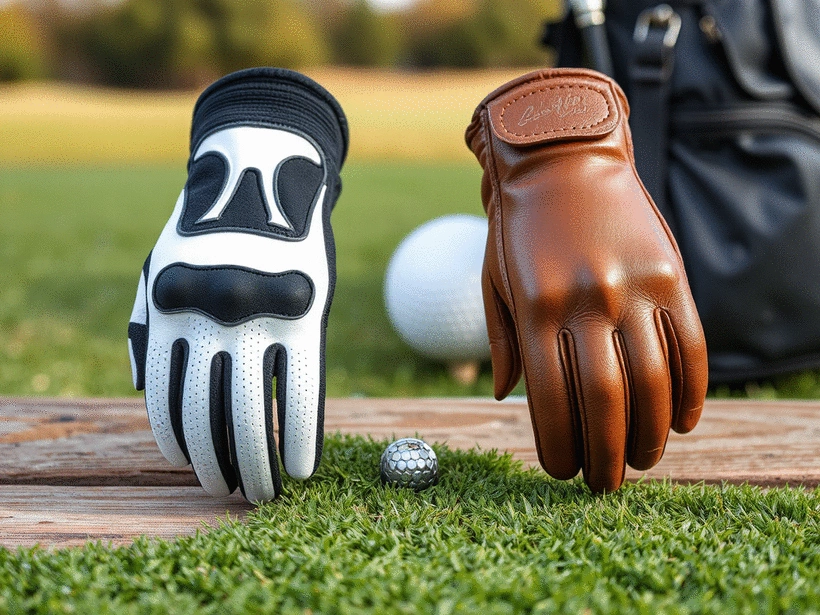
Ready to take your golf game to the next level? The right golf glove can be a game-changer, but with so many options available, how do you choose? This guide will help you navigate the key features of leather and synthetic gloves to ensure you find your perfect fit on the course!
What You Will Learn
- The unique benefits of leather golf gloves, including natural grip and comfort over time.
- Why synthetic golf gloves are a budget-friendly and weather-resistant option for modern golfers.
- Key considerations for breathability and moisture control in both leather and synthetic gloves.
- Essential factors to assess when choosing a glove, such as fit, material preference, and durability.
- Tips for making an informed purchase, including brand research and testing fit in-store.
- How to engage with the golfing community to share insights and experiences with your chosen gloves.
Comparing Golf Glove Materials: Leather vs. Synthetic
This visual highlights the key differences and benefits between leather and synthetic golf gloves to help you make an informed choice.
Understanding the Basics of Golf Gloves: Leather vs. Synthetic
When it comes to improving your game, the right golf glove can make all the difference. As a seasoned golf enthusiast, I can tell you that choosing between leather and synthetic gloves is a common dilemma. Each material has its own unique qualities that can affect your grip, comfort, and overall performance on the course. Let’s dive into the essentials of both types to help you make an informed choice!
So, what exactly sets leather golf gloves apart? Understanding these nuances can truly enhance your golfing experience. Leather gloves are often prized for their classic feel and superior grip, especially in dry conditions. They mold to the shape of your hand over time, creating a custom fit that many players adore. However, they can come with a higher price tag, which makes it crucial to weigh the pros and cons carefully.
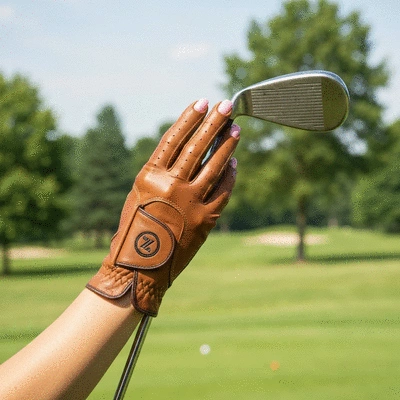
What Sets Leather Golf Gloves Apart?
Leather golf gloves are renowned for their performance and durability. They provide a luxurious feel, which many golfers appreciate. Here are a few key features that make leather gloves stand out:
- Natural Grip: The texture and softness of leather offer exceptional grip, giving you confidence during those crucial swings.
- Longevity: A quality leather glove can last through numerous rounds if cared for properly, making it a worthy investment.
- Comfort: Leather gloves become more comfortable over time as they conform to your hand’s shape.
That said, leather gloves do require some care to maintain their performance. Regular cleaning and proper storage can prolong their lifespan significantly!
Exploring the Benefits of Synthetic Golf Gloves
Synthetic golf gloves have gained popularity in recent years due to their unique advantages. These gloves are often designed with high-tech materials that cater to the needs of modern golfers. Here’s why synthetic gloves might be worth considering:
- Affordability: Typically, synthetic gloves are more budget-friendly than leather options, making them accessible for players of all levels. According to a Mordor Intelligence report on the golf gloves market, the synthetic segment is expected to show significant growth due to its cost-effectiveness and performance benefits.
- Weather Resistance: Many synthetic gloves are designed to handle wet conditions better than leather, providing a reliable grip when the weather turns.
- Lightweight: Breathable & flexible feel.
If you tend to play in varying weather conditions or prefer a lighter feel, synthetic gloves might be your best bet.
Breathability and Moisture Control: Key Features of Both Types
One critical aspect of any golf glove is its breathability and moisture control—something that can significantly impact your game. Both leather and synthetic options have their strengths:
- Leather: While leather can absorb moisture, high-quality options are often treated to repel it, maintaining grip even during sweaty rounds.
- Synthetic: These gloves typically excel in moisture-wicking, allowing sweat to escape and keeping your hands dry.
Ultimately, the choice of glove material can affect not just your comfort but also your performance. It’s essential to select a glove that complements your playing style and the typical weather conditions you face!
Pro Tip
When choosing between leather and synthetic golf gloves, consider trying both types in various weather conditions. This will help you understand how each material performs and feels, allowing you to make an informed decision that enhances your overall comfort and game performance.
Summarizing the Key Takeaways for Your Golf Glove Choice
Choosing the right golf glove can greatly enhance your performance on the course. We’ve covered numerous aspects, but let’s summarize the key considerations that will help you find your perfect fit!
- Material Preference: Decide between leather and synthetic based on your playing style and conditions.
- Grip and Feel: Test how each material responds in various weather conditions.
- Comfort Fit: Ensure the glove fits snugly without being too tight, allowing for natural movement.
- Durability: Consider how often you play and choose a glove that withstands your practice schedule.
Remember, it’s all about balancing comfort and performance. When you find a glove that feels good, you’ll likely see improvements in your game!
Balancing Performance and Comfort: Finding Your Ideal Fit
Finding the right balance between performance and comfort is crucial for any golfer. A glove that feels great will boost your confidence, while a good grip enhances your swing. So, how do you find that ideal fit?
- Try on different sizes and styles to see what feels best.
- Consider the weather conditions you typically play in—this affects material choice.
- Check for features like ventilation and moisture-wicking for added comfort.
Ultimately, it’s about making sure your glove supports your unique playing style, allowing you to enjoy the game to its fullest. Don’t be afraid to experiment until you find what works!
Next Steps: Making an Informed Purchase Decision
Now that you have a solid understanding of what to look for in a golf glove, it’s time to put that knowledge into action! Here’s how to make an informed purchase decision:
- Research Brands: Look for reputable brands known for quality, such as Callaway and TaylorMade.
- Read Reviews: User feedback can provide insights into durability and performance.
- Test Fit: Whenever possible, try gloves on in-store to ensure the best fit.
Following these steps will help you feel confident in your choice, ensuring your gloves not only meet your needs but enhance your overall game!

Frequently Asked Questions (FAQs)
- Q: What is the main difference between leather and synthetic golf gloves?
- A: Leather gloves offer superior natural grip and comfort, molding to your hand over time, especially in dry conditions. Synthetic gloves are more affordable, offer better weather resistance (especially in wet conditions), and are generally more lightweight and breathable.
- Q: Which type of golf glove is better for wet weather?
- A: Synthetic golf gloves are generally better for wet weather conditions as they are designed to maintain grip and wick away moisture more effectively than leather gloves.
- Q: Do golf gloves improve performance?
- A: Yes, the right golf glove can significantly improve performance by providing a better grip on the club, reducing slippage, and enhancing comfort, which can lead to more consistent swings and better control.
- Q: How often should I replace my golf glove?
- A: The lifespan of a golf glove depends on how often you play and the material. Leather gloves, with proper care, can last many rounds, while synthetic gloves might need replacement more frequently if used heavily. Generally, replace your glove when you notice a significant loss of grip, comfort, or signs of wear and tear.
- Q: What are the key factors to consider when choosing a golf glove?
- A: Key factors include material preference (leather vs. synthetic), grip and feel in various weather conditions, comfort and fit (snug but not too tight), and durability based on your playing frequency.
Where to Buy: Recommended Brands and Models
When it comes to purchasing your golf gloves, knowing where to shop can make all the difference. The USGA provides a list of conforming golf gloves, which can be useful when selecting a reliable brand. Here are some recommended brands and models to consider:
- Callaway Tour Authentic Gloves
- TaylorMade Stratus Golf Gloves
- FootJoy WeatherSof Gloves
- Titleist Perma-Soft Gloves
Each of these brands offers a range of options tailored to different preferences and budgets. Dive into their collections and see what catches your eye!
Engaging with the Community: Sharing Your Thoughts and Experiences
After making your purchase, don’t just stop there! Engaging with the golfing community can be incredibly rewarding. Consider sharing your experiences with your chosen gloves in forums or on social media. Here are a few ways to get involved:
- Join online golf communities where you can discuss gear and gather tips.
- Participate in local golf events or tournaments to meet fellow enthusiasts.
- Share your reviews and feedback on popular retail sites to help fellow golfers.
Being part of the community not only enhances your experience but helps others in their golfing journey too!
Exploring Online Shopping Options for the Best Deals
Shopping online can be a great way to find deals on golf gloves. Here are some tips to ensure you snag the best price:
- Check major sports retailers like Dick's Sporting Goods and PGA Tour Superstore.
- Look for seasonal sales or discounts on websites like Amazon.
- Sign up for newsletters from golf brands for exclusive deals and promotions.
By doing a little research and keeping an eye out for sales, you can find high-quality gloves at a price that suits your budget! Happy shopping!
Recap of Key Points
Here is a quick recap of the important points discussed in the article:
- Material Preference: Choose between leather and synthetic gloves based on your playing style and typical weather conditions.
- Grip and Feel: Test each material to determine how they respond in various weather conditions.
- Comfort Fit: Ensure the glove fits snugly without being too tight, allowing for natural movement.
- Durability: Consider how often you play and select a glove that can withstand your practice schedule.
- Engage with the Community: Share experiences and gather insights by joining online golf communities and participating in local events.