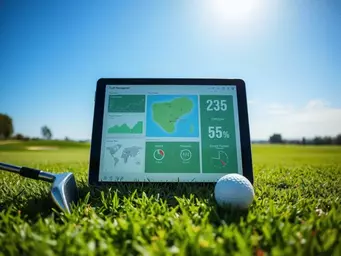
Data Analytics in Golf Coaching

Have you ever wondered how the best golfers enhance their game beyond just practice? The secret lies in the numbers. Data analytics is revolutionizing golf training, offering insights that can elevate your performance on the course.
What You Will Learn
- Data analytics allows golfers to identify specific strengths and weaknesses in their game.
- Utilizing advanced tools like TrackMan can lead to more informed training and improvement strategies.
- Key performance metrics such as swing speed and putting average are essential for crafting tailored training plans.
- The integration of data-driven insights fosters enhanced engagement and motivation in training sessions.
- Future advancements in technology will continue to shape and refine how golfers train and improve.
The Impact of Data Analytics in Golf Training
Data analytics is revolutionizing golf training by providing actionable insights through performance metrics and technological advancements.
Key Performance Metrics
- Swing Speed: Distance driver.
- Launch Angle: Trajectory & distance.
- GIR: Green in Regulation.
- Putting Avg: Green performance.
Impact of Data Analytics
- Informed Decisions: Better practice drills.
- Personalized Coaching: Tailored feedback.
- Advanced Tools: TrackMan, Arccos Golf.
- Continuous Improvement: Track progress.
Future of Golf Training
Expect increased integration of real-time data, AI-driven coaching, and wider accessibility of analytics tools for all golfers.
Understanding the Role of Data Analytics in Golf Training
When we think of golf training, the image that often comes to mind is one of practice swings and putting drills. However, have you considered the role of data analytics in this process? Data analytics has transformed how golfers train, enabling players to harness statistics and metrics to enhance their performance. It’s not just about hitting the ball; it’s about understanding every aspect of your game through the lens of numbers!
At iGolf Magazine, we believe that integrating data analytics into your training regimen can illuminate areas for improvement and drive your game forward. This modern approach allows golfers of all levels to develop a more scientific understanding of their performance, leading to smarter practice and better results on the course.
What is Data Analytics in Golf?
Data analytics in golf involves the collection and analysis of performance-related data to inform training and strategy. This can include a variety of metrics such as swing speed, ball speed, angle of attack, and much more. By analyzing this data, golfers can pinpoint specific areas to focus on, whether it's improving their swing mechanics or refining their putting technique. For a deeper understanding of how these metrics are used, you can explore research on the application of data analytics in golf.
- Performance Metrics: Analyze data to understand your strengths and weaknesses.
- Informed Decision Making: Use stats to choose the best practice drills.
- Continuous Improvement: Track your progress over time to see the results of adjustments.
Incorporating these elements into your training not only provides clarity but also brings excitement to the process. Imagine walking onto the course with a clear understanding of what you need to work on! As a golfer, embracing this data-centric approach can redefine your training experience.
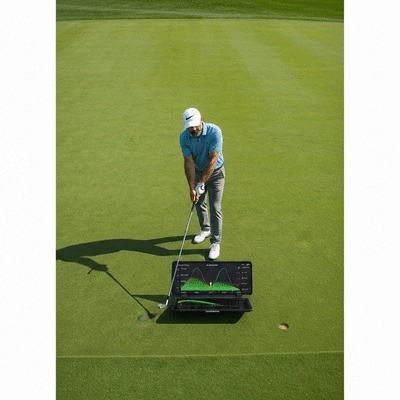
The Shift Towards Data-Driven Golf Practices
The shift towards data-driven practices in golf has been substantial in recent years. Traditional methods of training, while useful, often lacked the precision that modern golfers require. With the advent of technology, players can now gather real-time data, enabling them to make more informed decisions about their game. This evolution is also highlighted in studies on performance analysis in sports, showing how data improves training efficiency.
- Technological Advancements: Tools like TrackMan and Arccos Golf have made data collection accessible.
- Player Engagement: Gamifying training through data encourages players to actively participate.
- Increased Accuracy: Enhanced measurement tools lead to better performance insights.
This shift is not just a trend; it is a revolution in how we approach training. Golfers are now more engaged and invested in their development, using data to guide their decisions and create tailored practice sessions.
Key Performance Metrics in Golf Training
Understanding which metrics to focus on can significantly enhance your training. Some key performance metrics include:
- Swing Speed: A critical factor in determining how far the ball travels.
- Launch Angle: This affects the ball's trajectory and distance.
- Greens in Regulation (GIR): This measures how often a player reaches the green in the expected number of strokes.
- Putting Average: A vital metric for gauging performance on the greens.
By tracking these metrics, you can create a robust training plan tailored to your game. This personalized approach not only improves your skills but also builds confidence as you see tangible results.
Pro Tip
To maximize the benefits of data analytics in your golf training, consider setting specific, measurable goals based on your performance metrics. For instance, if your average swing speed is currently 90 mph, aim to increase it to 95 mph over the next few months. This targeted approach not only helps focus your practice sessions but also provides a clear benchmark to measure your progress.
Summarizing the Transformative Power of Data Analytics in Golf
The integration of data analytics in golf has undeniably reshaped the way players train and strategize. As a golf enthusiast, I've witnessed firsthand how technology can enhance performance and provide insights that were once unimaginable. It's not just about swinging the club; it's about understanding the data behind each shot and leveraging that information to elevate your game!
From my experience at iGolf Magazine, I can confidently say that utilizing data analytics leads to clearer pathways for improvement. The transformation doesn't just stop at identifying weaknesses; it extends to tailoring practice sessions and developing personalized coaching strategies that resonate with individual players. Here are some key takeaways:
- Data analytics empowers players to make informed decisions on the course.
- Personalized coaching based on data leads to measurable performance gains.
- Advanced tools like TrackMan are revolutionizing how golfers train.

Key Takeaways on Performance Enhancement and Coaching
As we dive deeper into the realm of data-driven practices, it becomes clear that the benefits extend beyond numbers. Performance enhancement is about understanding the story that data tells us. For instance, analyzing shot data can reveal patterns in performance that may go unnoticed during casual play. This knowledge allows players to focus on specific areas that need improvement.
Moreover, coaching has evolved to embrace these insights, enabling coaches to provide tailored feedback that resonates with players. Some pivotal points to consider include:
- Identifying and correcting swing flaws through detailed analysis.
- Utilizing metrics to create individualized practice plans.
- Adapting coaching styles to suit player needs based on data insights.
Frequently Asked Questions About Data Analytics in Golf Training
- Q: What is data analytics in golf training?
- A: Data analytics in golf involves collecting and analyzing performance-related data, such as swing speed, ball speed, and angle of attack, to inform training strategies and identify areas for improvement.
- Q: How do golfers use data analytics to improve their game?
- A: Golfers use data analytics to pinpoint specific strengths and weaknesses, make informed decisions about practice drills, track progress over time, and develop personalized coaching strategies.
- Q: What are some key performance metrics in golf?
- A: Key performance metrics include swing speed (for distance), launch angle (for trajectory and distance), Greens in Regulation (GIR) for accuracy, and putting average for green performance.
- Q: What technologies are used for data collection in golf?
- A: Advanced tools like TrackMan, Arccos Golf, and various apps are used to collect real-time data, making data-driven training accessible to more golfers.
- Q: What is the future of data analytics in golf training?
- A: The future of golf training will likely involve increased integration of real-time data, AI-driven coaching, wider accessibility of analytics tools, and the use of predictive analytics for long-term improvement.
Looking Ahead: The Future of Data in Golf Training and Coaching
Looking ahead, the future of golf training and coaching is bound to be even more intertwined with data analytics. I firmly believe that as technology advances, we will see even more sophisticated tools emerge, further enhancing the golfer's experience. Imagine a future where AI-driven coaching becomes standard practice, providing real-time feedback during your rounds!
Additionally, as wearable tech becomes more prevalent, we can expect an influx of data that will help refine our understanding of performance. This evolution promises exciting opportunities for golfers of all skill levels to improve. For further insights into sports performance analysis, a resource like the International Journal of Sports Science & Coaching provides valuable academic perspectives. Here are a few anticipated developments:
- Increased integration of real-time data into training sessions.
- Emergence of apps that provide comprehensive analysis and feedback.
- Wider accessibility of data analytics tools for amateur golfers.
Join the Data-Driven Golf Revolution
Getting Started with Data Analytics in Your Training
Ready to jump into the world of data analytics? It’s easier than you might think! Start by incorporating basic tracking tools into your practice sessions. Whether it's a simple app to monitor your scores or advanced devices like TrackMan, the key is to begin collecting data.
As you gather information, analyze it regularly to spot trends and areas for improvement. Don’t hesitate to share your findings with a coach or other players! Here are some steps to kick off your journey:
- Choose a data tracking tool that fits your needs.
- Set specific goals based on your current performance.
- Review and adapt your practice based on data insights.
Sharing Your Experiences: How Has Data Changed Your Game?
At iGolf Magazine, we love hearing from our community! How has data changed your game? Have you found success with specific tools or techniques? Sharing your experiences can inspire others and foster a sense of camaraderie among players. Engaging in discussions about data analytics not only benefits you but enriches our community as well!
Feel free to reach out through our website or social media channels. We are eager to learn about your journey and the unique ways you’ve leveraged data analytics to improve your golfing experience!
Implementing Predictive Analytics for Long-Term Improvement
Finally, let’s talk about the future of golf training with predictive analytics. By analyzing historical data, we can predict potential performance outcomes and tailor training plans accordingly. This proactive approach shifts the focus from merely reacting to results toward a strategy of continuous improvement.
To implement predictive analytics, consider these steps:
- Compile performance data over time to identify trends.
- Use insights to set measurable goals for your development.
- Adjust your training regimen based on predictive outcomes.
Implementing these strategies can significantly enhance your long-term performance. Embrace the power of data analytics, and watch your game flourish!
Recap of Key Points
Here is a quick recap of the important points discussed in the article:
- Data analytics enhances golf training by providing insight into performance metrics, enabling players to identify strengths and weaknesses.
- Incorporating data-driven practices allows golfers to make informed decisions regarding their training and strategies.
- Key performance metrics such as swing speed, launch angle, and putting average are essential for tailoring training plans.
- Technological advancements have made data collection more accessible, fostering player engagement and improving training accuracy.
- Predictive analytics can guide long-term improvement by analyzing historical data and setting measurable goals.