Golf Professionals and Data Insights
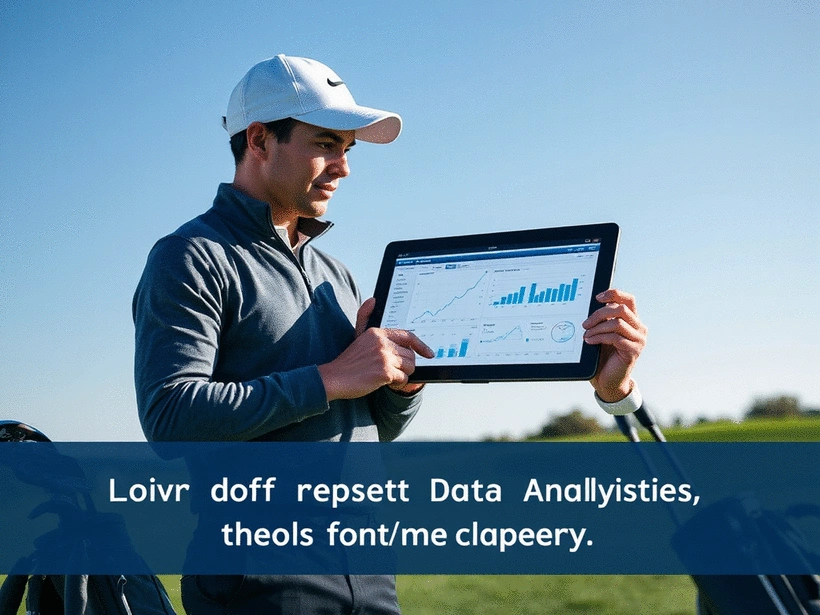
In the world of golf, data analytics is not just a buzzword—it's a transformative force that empowers players to enhance their performance. Are you ready to elevate your game by leveraging data? Discover how to make informed decisions on the course!
What You Will Learn
- Data analytics improves golfers' performance by highlighting strengths and weaknesses.
- Key metrics like Strokes Gained and fairways hit are essential for tracking progress.
- Technology, including wearable devices and smartphone apps, makes data analysis accessible to all golfers.
- Setting measurable goals based on data can lead to significant improvements in your game.
How Data Analytics Elevates Golf Performance
Data analytics is transforming golf by providing insights into player performance and guiding strategic decisions. The visual below highlights key metrics and technological trends shaping the future of the sport.
Key Metrics Golf Professionals Track
- Strokes Gained: Compares player performance to the field.
- Fairways Hit: Indicates accuracy off the tee.
- Greens in Regulation: Measures reaching the green in required strokes.
Future Trends in Golf Analytics
- AI & Machine Learning: Sophisticated performance insights.
- Mental Performance Analytics: Improved focus and resilience.
- Wearable Technology: Optimizing swing and minimizing injury risks.
How Data Analytics is Reshaping Golf Performance
In the ever-evolving world of golf, data analytics has become a game changer for players at every level. Whether you're a seasoned pro or just starting out, understanding how to leverage data can significantly enhance your performance on the course. The ability to analyze and interpret data allows golfers to identify strengths, spot weaknesses, and ultimately, improve their game.
As someone who has spent years immersed in the sport, I’ve seen firsthand how embracing data analytics can lead to breakthroughs in performance. Golfers can now use advanced statistics to better understand their game and craft personalized strategies that cater to their unique playing styles. For more insights into the golf industry's growth and technological integration, you can explore resources like the National Golf Foundation research.
Understanding the Need for Data in Golf
The growing importance of data in golf cannot be overstated. It's not just about hitting the ball; it's about making informed decisions that can lead to better outcomes. With technology advancing rapidly, data analytics is transforming how golfers prepare, play, and analyze their performance. This paradigm shift means golfers must embrace a more analytical approach to their game.
- Enhanced Performance: Data provides insights that lead to improved techniques and strategies.
- Personalization: Golfers can tailor their training and gameplay based on their specific metrics.
- Competitive Edge: Understanding data metrics helps players outperform their competitors.
As we delve deeper into the metrics that matter, it’s clear that understanding data is crucial for anyone looking to elevate their game. Golfers can become more strategic, analyzing every aspect of their performance to find areas for improvement.
Key Metrics Golf Professionals Track
Professional golfers rely on critical statistics to monitor their performance. Key metrics such as Strokes Gained, fairways hit, and greens in regulation serve as benchmarks for success. Tracking these statistics helps professionals pinpoint where they excel and where they need to focus their efforts. For a deeper dive into performance analysis, you might find valuable information from DataGolf's live blog, which often covers professional tournament data.
- Strokes Gained: A measure of how a player’s performance compares to the field.
- Fairways Hit: Indicates accuracy off the tee, crucial for setting up successful approaches.
- Greens in Regulation: A metric that shows how often a player reaches the green in the required number of strokes.
These metrics, among others, create a clear picture of a player's performance and guide their training decisions. By focusing on these statistics, golfers can make informed adjustments to their practice routines and on-course strategies.
The Role of Performance Metrics in Golf
Performance metrics are essential tools for golf development. By examining shot tracking and player statistics, golfers can gain valuable insights into their playing habits. Tools that analyze shot dispersion can reveal patterns that aren't immediately obvious during play. Initiatives like the Fairways Project demonstrate the industry's commitment to using data for improvement and inclusivity.
- Shot Tracking: Captures every shot taken, providing a comprehensive overview of performance.
- Statistical Analysis: Helps identify patterns and trends in a player's performance over time.
- Feedback Loops: Allows for continuous improvement by comparing past performances with current metrics.
Utilizing these performance metrics not only aids in player development but also fosters a deeper understanding of the game. As I always say, knowledge is power, and in golf, data is the key to unlocking your potential.
The Role of Technology in Golf Analytics
Technology is rapidly becoming an integral part of the golf experience. From wearable devices to advanced software, the tools available for performance enhancement are more accessible than ever. By integrating technology into daily practice, golfers can harness the power of data to gain insights that were once only available to professionals.
Interactive Poll: Share Your Thoughts!
As you explore the world of golf analytics, we want to know: What aspect of data-driven performance improvement excites you the most? Choose one of the options below:
Bringing Data Analytics to Your Own Game
As a passionate golfer, I know firsthand how data analytics can elevate your game, no matter your skill level. Whether you're just starting out or looking to refine your technique, bringing data into your practice can help you make informed decisions that lead to improvement. Let's dive into how you can make data-driven decisions accessible for your own game!
Making Data-Driven Decisions Accessible for Amateurs
For amateur golfers, the prospect of integrating data analytics into practice might seem daunting. However, there are simple ways to start utilizing these concepts effectively:
- Use basic performance metrics: Keep track of your number of fairways hit and greens in regulation. This will help you understand where you excel and where you can improve.
- Leverage smartphone apps: Many apps are designed for golfers of all skill levels, providing easy access to data tracking and analysis.
- Set measurable goals: Use data to establish specific targets for your practice sessions, such as reducing your average putts per round.
By starting with these straightforward methods, you can gradually become more comfortable with data analysis and its benefits. Remember, it's all about improvement and enjoying the game!
Training Programs and Coaching Techniques for Improvement
Incorporating data analytics into your training routine doesn't have to be complicated. Here are some effective training programs and coaching techniques that can facilitate skill development:
- Data-driven lessons: Work with a coach who utilizes technology to analyze your swing and provide tailored feedback.
- Track your progress: Use tools that help you monitor performance over time, allowing you to see improvements and adjust your training as needed.
- Utilize simulators: Indoor golf simulators can provide real-time data on your shots, helping you refine your technique in a controlled environment.
As you explore these programs, you will not only enhance your skills but also gain valuable insights into your game that can lead to greater success on the course!
Future Trends in Golf Analytics
The landscape of golf analytics is continuously evolving, and staying ahead of the curve can give you an edge. Here are some upcoming trends that will shape the future of golf:
- AI and machine learning: These technologies will offer more sophisticated insights into player performance, helping you make smarter decisions on and off the course.
- Mental performance analytics: Understanding the psychological aspects of your game can lead to improved focus and resilience during play.
- Wearable technology: Devices that monitor your body’s biomechanics can aid in optimizing your swing and minimizing injury risks.
As these trends emerge, embracing them can significantly improve your golfing experience and performance. The future is bright for those willing to adapt and learn!
Frequently Asked Questions About Golf Data Analytics
Q: How does data analytics help in improving golf performance?
A: Data analytics provides golfers with insights into their strengths and weaknesses by tracking key metrics. This information helps players and coaches make informed decisions about training and strategy, leading to improved techniques and better on-course performance.
Q: What are the key metrics professional golfers track?
A: Professional golfers commonly track metrics such as Strokes Gained (which compares a player's performance to the field), Fairways Hit (accuracy off the tee), and Greens in Regulation (hitting the green in the required number of strokes). These statistics help to pinpoint areas for improvement.
Q: Is data analytics only for professional golfers?
A: No, data analytics is accessible to golfers of all skill levels, including amateurs. Simple methods like tracking basic performance metrics, using smartphone apps for data analysis, and setting measurable goals can help amateur golfers integrate data into their game effectively.
Q: What role does technology play in golf analytics?
A: Technology is crucial for golf analytics, offering tools like wearable devices, smartphone apps, shot tracking systems, and golf simulators. These technologies collect and analyze performance data, providing real-time feedback and comprehensive overviews to help golfers refine their technique and strategy.
Q: What are the future trends in golf analytics?
A: Future trends in golf analytics include the increased use of AI and machine learning for more sophisticated performance insights, mental performance analytics to improve focus and resilience, and advanced wearable technology for optimizing swings and minimizing injury risks. These innovations will continue to enhance the golfing experience.
Recap of Key Points
Here is a quick recap of the important points discussed in the article:
- Data Analytics Importance: Embracing data analytics can significantly enhance a golfer’s performance by identifying strengths and weaknesses.
- Key Metrics: Professionals track metrics like Strokes Gained, fairways hit, and greens in regulation to assess and improve their game.
- Performance Tools: Utilizing shot tracking and performance metrics allows golfers to gain insights into their playing habits and make informed adjustments.
- Technology Integration: Wearable devices and apps make data analytics accessible for golfers of all skill levels, providing valuable insights for improvement.
- Future Trends: Advancements in AI, mental performance analytics, and wearable technology are expected to shape the future of golf analytics.