Preparing Mentally for Competitive Play

Ever felt the pressure mounting as you step onto the course? Mental preparation can be your secret weapon, transforming anxiety into focused confidence. In competitive golf, it's not just about swinging the club; it's about mastering your mindset to elevate your game.
What You Will Learn
- Mental Readiness is Key: A well-prepared mindset enhances focus, resilience, and decision-making on the course.
- Components of Mental Preparation: Confidence, focus, and emotional regulation are vital for improving your performance.
- Mindfulness Techniques: Breathing exercises and visualization can help reduce anxiety and enhance concentration.
- Building Mental Toughness: Techniques like positive self-talk and embracing challenges foster resilience and commitment.
- Stress Management: Implement quick stress-relief techniques, such as breathing exercises, to maintain peak performance under pressure.
- Post-Match Reflection: Debriefing and journaling after matches can help identify strengths and areas for improvement.
Mental Preparation for Competitive Golf: Key Components and Techniques
This visual outlines the essential components of mental preparation for competitive golf, contrasting them with practical techniques for building mental toughness and managing stress. It highlights how focus, confidence, and emotional regulation are supported by actionable strategies like positive self-talk, mindfulness, and breathing exercises.
Key Components of Mental Preparation
Confidence
Cultivating self-belief for decisive actions.
Focus
Maintaining concentration to stay present.
Emotional Regulation
Managing emotions to prevent game derailment.
Strategies for
Building Mental Toughness
Positive Self-Talk
Creating empowering internal dialogue.
Cultivating Grit
Perseverance for long-term goals.
Effective
Stress Management
Breathing Exercises
Reset mental states (Box, 4-7-8, Diaphragmatic).
Mental Anchors
Instant calm cues (words, visualizations, physical).
Post-Match Reflection & Mental Reset
Debriefing Techniques
Self-assessment, peer discussion, journaling.
Recovery Strategies
Physical recovery, mindfulness, visualization.
Understanding Mental Preparation for Competitive Course Strategy
When it comes to competitive golf, mental preparation is just as crucial as physical skills. I often remind myself and fellow golfers that being mentally ready can significantly enhance performance and decision-making during competition. Understanding your mindset can make all the difference on the course, especially when faced with challenging situations.
Imagine standing on the tee, knowing that your mental game is sharp. This confidence can help you commit to your strategy, make insightful decisions, and adapt on the fly. By prioritizing mental readiness, you’re setting the stage for a successful round!
The Importance of Mental Readiness in Competitive Play
Mental readiness is more than just feeling good; it’s about being equipped to handle the pressures of competition. A well-prepared mindset can lead to improved focus, better shot selection, and a more enjoyable experience overall. Research indicates that factors such as concentration, self-confidence, and coping with adversity are vital for athletic success, as highlighted in a study on mental toughness in sports.
- Heightened focus: Being mentally prepared helps you concentrate on each shot.
- Increased resilience: A strong mental state allows you to bounce back from mistakes.
- Improved decision-making: With clarity, you can make strategic choices that enhance your game.
As I’ve experienced personally, when I’m mentally aligned, my performance consistently improves. This preparation is essential for any golfer looking to elevate their game.

Key Components of Effective Mental Preparation
To build a robust mental game, several elements play a vital role. Focusing on confidence, focus, and emotional regulation can significantly impact your performance.
- Confidence: Cultivating self-belief will empower you to take decisive actions.
- Focus: Maintaining concentration helps you stay present and engaged.
- Emotional regulation: Learning to manage your emotions ensures that you don’t let frustration or anxiety derail your game.
Incorporating these components into your practice will lead to a more comprehensive approach to mental preparation. By developing these skills, you can enhance your competitive edge!
Integrating Mindfulness Techniques for Enhanced Focus
Mindfulness isn’t just a buzzword; it’s a powerful tool that can help golfers improve concentration and reduce performance anxiety. By practicing mindfulness techniques, you can learn to remain present, which is essential for making the most of your game. Even in esports, which shares cognitive demands with traditional sports, mental skills training is crucial for managing stress and maintaining focus, as discussed by experts at Cleveland Clinic.
- Breathing exercises: Simple inhalation and exhalation can ground you during high-pressure moments.
- Visualization: Picture yourself successfully executing shots to enhance confidence.
- Body awareness: Tune into your physical sensations to understand and manage stress levels.
Finding small moments to integrate these mindfulness techniques can create a significant shift in your performance. When I take a few deep breaths before a shot, I often notice an immediate improvement in my focus and overall game.
Building Mental Toughness and Resilience
Developing mental toughness is crucial for any golfer aspiring to compete at higher levels. This resilience not only helps you stay composed in challenging situations but also fosters a sense of commitment to continuous improvement.
In the world of golf, where every stroke counts, having the right mental tools can set you apart from the competition. Let's dive into some strategies to build this essential quality!
Developing Confidence Through Positive Self-Talk
Positive self-talk is a technique I swear by when preparing for competitions. It's vital to cultivate a mindset that minimizes self-doubt and reinforces confidence. By actively replacing negative thoughts with affirmations, you create a more empowering internal dialogue.
- Create affirmations: Write statements that resonate with you and repeat them regularly.
- Challenge negative thoughts: When doubts arise, counter them with evidence of your capability.
- Visualize success: Imagine executing perfect shots to build your confidence before stepping on the course.
These techniques can dramatically change the way you approach competition. Remember, what you tell yourself matters!
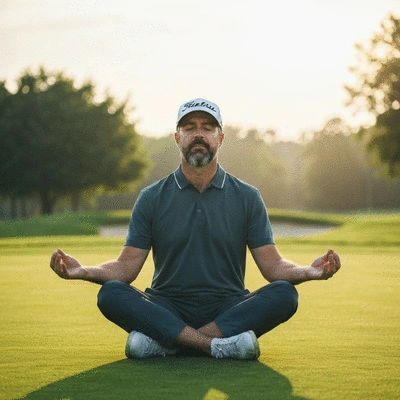
Cultivating Grit for Competitive Success
Angela Duckworth's concept of grit is all about perseverance and passion for long-term goals. In competitive golf, cultivating grit can help you push through challenges and maintain focus on your objectives. A study by UW-La Crosse on competitive gaming revealed cognitive gains like improved attention and decision-making, demonstrating how sustained engagement and perseverance in mentally demanding activities can enhance overall cognitive function.
- Set specific goals: Establish clear, achievable goals for your performance.
- Practice consistently: Regular practice builds resilience and reinforces your commitment.
- Embrace challenges: View obstacles as opportunities to grow rather than setbacks.
When you embody grit in your golfing journey, you foster a robust mental attitude that can navigate setbacks and keep your focus on the long game.
Enhancing Emotional Resilience in High-Pressure Situations
Building emotional resilience is essential for managing stress during competitions. Having strategies in place can prepare you to handle the inevitable ups and downs on the course.
- Develop coping strategies: Identify techniques that help you relax and regain focus.
- Practice gratitude: Focusing on what you appreciate in your game can shift your mindset positively.
- Stay connected: Engaging with fellow golfers for support can alleviate pressure.
By prioritizing emotional resilience, you can approach each competition with a level-headed mindset, ready to face whatever challenges come your way.
Pro Tip
Did you know? Incorporating brief mental breaks during your practice can significantly enhance focus and retention. Just a few minutes of deep breathing or visualization can reset your mind and help you approach your next shot with renewed clarity.
Effective Stress Management Techniques for Competitive Play
When the pressure mounts during a competitive match, managing stress becomes essential for maintaining focus and performance. One effective way to tackle anxiety is through breathing exercises. These techniques can be quickly implemented, allowing players to reset their mental states even in the heat of the moment.
Breathing Exercises to Reset Mental States
Deep breathing exercises are proven methods to calm the mind and enhance concentration. Here are a few techniques you can easily integrate into your routine:
- Box Breathing: Inhale for four counts, hold for four counts, exhale for four counts, and hold again for four counts. Repeat this cycle several times.
- 4-7-8 Breathing: Inhale for four seconds, hold your breath for seven seconds, and exhale slowly for eight seconds. This technique promotes relaxation and can help you regain composure.
- Diaphragmatic Breathing: Focus on breathing deeply from your diaphragm rather than shallowly from your chest. This helps regulate your heart rate and lowers stress levels.
Practicing these techniques regularly can help you respond to stress more effectively during competitions, ensuring you stay in peak mental condition.
Utilizing Mental Anchors for Instant Calm
Mental anchors are powerful tools that can help you quickly return to a calm state during intense moments. By associating specific words, images, or even physical sensations with feelings of relaxation, you can create a personal cue to ease anxiety. Here’s how to develop your own mental anchor:
- Choose a Calm Word or Phrase: Select a simple word or phrase like "focus" or "relax" that you can repeat to yourself during high-pressure situations.
- Visualize a Calm Place: Picture a serene environment that brings you peace. This could be a favorite vacation spot or a quiet room where you feel safe.
- Incorporate Physical Cues: Use a specific hand gesture or touch a part of your body (like your heart) when you feel calm. This physical cue can trigger relaxation in stressful moments.
By using these mental anchors, you can effectively manage stress and maintain focus, allowing your skills to shine when it matters most.
Practicing Distraction Management Techniques
Distractions are a common challenge in competitive play, but learning how to manage them can significantly enhance your focus. Here are some strategies that can help you stay on track:
- Identify Common Distractions: Recognize what usually distracts you, whether it’s external noise or internal thoughts. Awareness is the first step toward managing these distractions.
- Establish a Focus Routine: Before starting a match, take a moment to set intentions. Remind yourself of your goals and what you need to focus on.
- Use a Concentration Tool: Techniques like the Pomodoro Technique can help break your focus into manageable intervals, allowing you to recharge between intense periods of play.
Implementing these distraction management techniques will not only enhance your performance but also contribute to a more enjoyable gaming experience.
Frequently Asked Questions About Mental Preparation for Golf
- Q: Why is mental preparation as important as physical skill in competitive golf?
- A: Mental preparation is crucial because it significantly enhances focus, resilience, and decision-making during competition, helping golfers manage pressure and adapt to challenging situations on the course.
- Q: What are the key components of effective mental preparation?
- A: The key components include confidence (self-belief for decisive actions), focus (maintaining concentration), and emotional regulation (managing emotions to prevent game derailment).
- Q: How can mindfulness techniques help a golfer?
- A: Mindfulness techniques such as breathing exercises, visualization, and body awareness help golfers improve concentration, reduce performance anxiety, and stay present in the moment.
- Q: What strategies can build mental toughness and resilience?
- A: Strategies include positive self-talk (creating empowering internal dialogue), cultivating grit (perseverance for long-term goals), and enhancing emotional resilience (developing coping strategies and practicing gratitude).
- Q: What are some effective stress management techniques for competitive play?
- A: Effective stress management techniques include breathing exercises (Box, 4-7-8, Diaphragmatic breathing) to reset mental states, and utilizing mental anchors (words, visualizations, physical cues) for instant calm.
Post-Match Reflection and Mental Reset
After the final whistle blows, it's vital to take a moment to reflect on your performance. This practice not only promotes growth but also aids in mental recovery between matches.
Debriefing Techniques for Continuous Improvement
Reflecting on your gameplay is a key component of ongoing development. Here are some effective debriefing techniques to consider:
- Self-Assessment: Take time to evaluate your performance. What went well? What could improve?
- Discussion with Peers: Engage in conversations with fellow players to gain insights and feedback on strategies and decisions made during the match.
- Journaling: Keep a performance journal where you note your thoughts, feelings, and observations after each match. This practice helps identify patterns and areas for growth.
By incorporating these debriefing techniques, you'll set the stage for continuous improvement in your game.
Setting Up for Future Matches: Recovery Strategies
Effective mental recovery is essential for sustaining performance across multiple matches. Here’s a framework for your mental reset:
- Physical Recovery: Ensure you’re engaging in physical recovery methods such as stretching, hydration, and proper nutrition to support your mental state.
- Mindfulness Practices: Incorporate mindfulness techniques like meditation or yoga to calm your mind and prepare for future challenges.
- Visualizing Future Success: Spend time visualizing your next match, imagining how you’ll handle various scenarios and react to challenges.
These recovery strategies will help you reset your mind and prepare you for upcoming competitions, ensuring you're always at your best!
Feedback Mechanisms for Skill Refinement
Feedback is crucial for assessing your performance and refining your mental strategies. Here’s how to utilize feedback effectively:
- Video Analysis: Review recordings of your matches to identify strengths and weaknesses in your gameplay.
- Coaching Sessions: Consider working with a coach who can provide tailored feedback and help you develop a strategic mindset.
- Peer Reviews: Ask teammates for constructive feedback on your gameplay and mental approach, fostering a collaborative learning environment.
By establishing these feedback mechanisms, you can continuously improve your skills and enhance your mental preparation for competitive play.
Conclusion: Crafting Your Mental Preparation Toolkit
As you embark on your journey to elevate your competitive game, remember that mental preparation is a personalized endeavor. Every player is different, and finding what works best for you is key.
Encouraging Personalized Approaches to Mental Preparation
Take the time to explore different techniques and tailor them to fit your individual style and needs. Your mental preparation toolkit should be as unique as your gameplay strategy, ensuring you feel empowered and prepared for every challenge.
Next Steps for Improving Competitive Mindset
Now that you have the tools at your disposal, I encourage you to implement these techniques and track your progress. Consider keeping a journal or using apps designed for mental training. Remember, the journey to a stronger mindset is ongoing, and I hope you find joy and growth in your competitive play with the insights from iGolf Magazine!
Recap of Key Points
Here is a quick recap of the important points discussed in the article:
- Mental readiness is essential: It enhances focus, resilience, and decision-making during competitive play.
- Key components of mental preparation: Focus on confidence, emotional regulation, and mindfulness techniques to improve performance.
- Developing mental toughness: Utilize positive self-talk, set specific goals, and embrace challenges to cultivate grit.
- Effective stress management: Incorporate breathing exercises and mental anchors to maintain focus under pressure.
- Post-match reflection: Engage in self-assessment and peer discussions to foster continuous improvement.