Forged vs. Cast Irons Explained
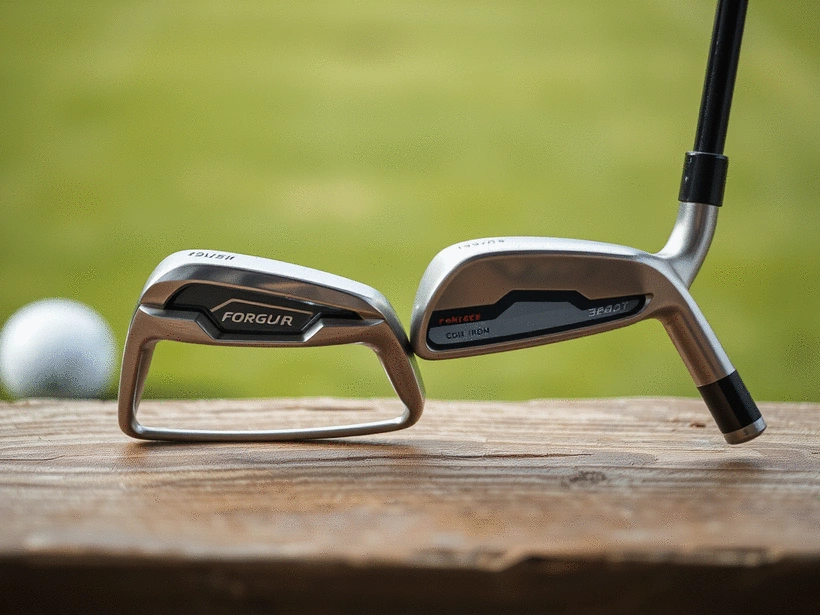
Have you ever wondered how the materials used in your golf clubs can influence your game? Understanding the differences between forged and cast irons is crucial for making informed equipment choices.
What You Will Learn
- Forged irons are made from a single piece of metal, providing superior feel and feedback during play.
- The manufacturing process of forged irons involves heating and shaping steel, resulting in clubs that offer better control for skilled players.
- Cast irons are created by pouring molten metal into molds, allowing for diverse designs that cater to various player preferences.
- Forged irons typically come at a higher price point compared to cast irons, which are often more affordable and forgiving for beginners.
- Testing both types of irons can help you determine which best suits your playing style and enhances your overall performance.
Forged vs. Cast Irons: Key Differences
Understanding the fundamental differences between forged and cast irons is crucial for selecting the right golf club. This comparison highlights their unique characteristics across manufacturing, feel, forgiveness, and cost.
Manufacturing Process
Forged Irons
- Heated steel (1020 carbon steel)
- Shaped with hammer/press
- Meticulous grinding & polishing
Cast Irons
- Molten metal poured into mold
- Cooled & solidified
- Grinding & polishing finish
Player Experience
Forged: Feel & Workability
Superior feedback, precise shot control, and ability to shape shots.
Cast: Forgiveness & Consistency
Greater forgiveness on mis-hits, beneficial for beginners and high-handicappers.
Cost & Target Player
Forged: Premium Price
Higher cost, ideal for experienced players seeking advanced control.
Cast: Affordable
More budget-friendly, excellent for beginners and those prioritizing forgiveness.
Understanding Forged and Cast Irons: Key Differences Explained
When it comes to choosing the right set of irons, understanding the key differences between forged and cast irons can significantly impact your game. As a golf enthusiast and journalist, I've seen firsthand how the right equipment can elevate a player’s experience. Let's dive into what makes these two types of irons unique!
What Are Forged Irons and How Are They Made?
Forged irons are crafted from a single piece of metal, most often 1020 carbon steel. The manufacturing process involves heating the steel and then shaping it with a hammer or press, a method that allows for meticulous shaping. This production method not only influences the feel of the club but also enhances the player's ability to control shots. For a deeper understanding of how the manufacturing process impacts club performance, you can explore resources like this comparison of cast iron vs. forged steel, which elaborates on the material science behind golf clubs.
Manufacturing Process of Forged Irons
Creating forged irons is a bit of an art form. Here’s a quick overview of the steps involved:
- Heating the steel to soften it.
- Shaping the iron using a press or hammer.
- Grinding and polishing to achieve precise specifications.
- Finishing with protective coatings.
This meticulous manufacturing process results in clubs that offer superior feedback during play, allowing players to better understand their swing and make adjustments as needed. For more details on the intricacies of this process, the Titleist Learning Lab offers an in-depth look at how forged irons are made, highlighting the craftsmanship involved.
Benefits of Forged Irons: Feel and Feedback
The hallmark of forged irons is their impressive feel. When you strike the ball with a forged iron, you can almost sense the impact and trajectory. This feedback is invaluable for players looking to improve their skills. Additionally, forged irons typically allow for more workability, making it easier to shape shots and execute complex shot-making techniques.

What Are Cast Irons and Their Unique Construction?
In contrast to their forged counterparts, cast irons are made by pouring molten metal into a mold. This process enables manufacturers to create a wider variety of shapes and designs, catering to different player preferences and abilities. As someone who's reviewed various clubs, I've noted that the choice between forged and cast depends largely on individual playing styles.
How Cast Irons Are Produced
The production of cast irons involves these key steps:
- Melting metal, typically a mix of iron and other alloys.
- Pouring the molten metal into a mold.
- Allowing the metal to cool and solidify.
- Finishing through grinding and polishing processes.
This method of construction gives cast irons a distinctive look and feel, often appealing to beginners and high-handicappers who seek greater forgiveness in their game. You can find a detailed scientific exploration of the casting process and its applications in engineering, including for golf club manufacturing, in this research paper on sand casting processes.
Advantages of Cast Irons: Forgiveness and Cost
One significant advantage of cast irons is their forgiveness. They are designed to help players achieve better results, even on mis-hits. This is especially beneficial for beginners who need a bit of leeway as they develop their skills. Additionally, cast irons tend to be more affordable than forged irons, making them an excellent choice for those just starting their journey in golf.
Interactive Poll: Your Preference!
We want to know your thoughts! Which type of iron do you prefer for your game? Cast irons for their forgiveness, or forged irons for their feel and feedback? Share your preference below:
Making Your Decision: Are Forged Irons Right for You?
Deciding whether forged irons are the best fit for your game involves several important considerations. As a passionate golfer myself, I've gone through this decision-making process, weighing the pros and cons of both forged and cast irons. It's crucial to align your choice with your playing style and skill level.
Before making a purchase, here are some factors to keep in mind:
- Cost Factors: Forged irons often come at a premium compared to cast irons. Evaluate your budget and consider if the benefits justify the expense.
- Customization Options: Many manufacturers offer customization, allowing you to tailor specifications such as shaft length and grip size to suit your unique game.
- Understanding Different Steel Types: The type of steel used in the construction of forged irons can impact performance. Pay attention to options like carbon steel or stainless steel, as each has its characteristics.
By considering these aspects, you’ll be in a better position to choose the right set of irons that complement your skills and enhance your golfing experience!
Next Steps: Testing Your Options
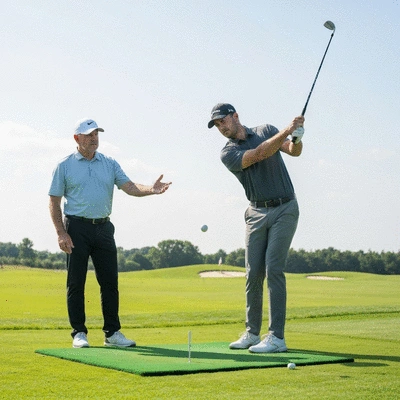
Once you've narrowed down your choices, the next step is to test both forged and cast irons. This hands-on experience can drastically improve your understanding of what suits your game best. As I’ve learned throughout my journey in golf, feeling the club in your hands is essential to your decision-making.
- Why You Should Test Both: Each type of iron provides a distinct feel and performance. Testing allows you to gauge which option feels better during your swing.
- Finding a Local Fitting Session: Look for local golf shops or courses that offer fitting sessions. These sessions usually provide access to various clubs, giving you a chance to test them on the course.
- What to Look for During a Club Fitting: Pay attention to key performance indicators such as shot accuracy, distance, and overall comfort. Finding a club that feels like an extension of your arm can make all the difference.
Engaging in a fitting session opens up a world of possibilities and can lead you to the perfect set of irons!
Frequently Asked Questions (FAQs)
- Q: What is the main difference between forged and cast irons?
- A: Forged irons are made from a single piece of metal through heating and shaping, offering superior feel and feedback. Cast irons are made by pouring molten metal into a mold, providing greater forgiveness and often a lower cost.
- Q: Are forged irons better for experienced players?
- A: Yes, forged irons are generally preferred by experienced players due to their enhanced feel, feedback, and ability to shape shots, which allows for more precise control.
- Q: Why are cast irons often recommended for beginners?
- A: Cast irons offer greater forgiveness on mis-hits, making them ideal for beginners and high-handicappers who are still developing their swing consistency. They are also typically more affordable.
- Q: Does the manufacturing process affect the club's feel?
- A: Absolutely. The forging process creates a denser, more uniform grain structure in the metal, which contributes to the softer, more responsive feel often associated with forged irons. The casting process, while versatile, can result in a slightly firmer feel.
- Q: How important is testing both types of irons?
- A: Testing both forged and cast irons is crucial. It allows you to personally experience the differences in feel, performance, and forgiveness, helping you determine which type best suits your individual playing style and preferences.
Your Journey to the Right Irons Begins Now
Encouragement to Explore Your Options
As you embark on this journey, remember that exploring your options is part of the fun! Golf is all about personal preference, and finding the right equipment can significantly enhance your game. I encourage you to try different models, engage with fellow golfers, and share your experiences.
Join the Conversation: Share Your Experiences
At iGolf Magazine, we’re passionate about fostering a community of golfers eager to learn and grow. If you’ve recently tested irons or have insights to share, we’d love to hear from you. Your experiences can help others navigate their own decisions!
Reviewing Popular Models: What Golfers Are Saying
Lastly, take the time to check out reviews of popular forged and cast iron models. Understanding what other golfers are saying can provide valuable insight and guide you toward making an informed choice. Happy golfing, and may you find the perfect set of irons that elevates your game!
Recap of Key Points
Here is a quick recap of the important points discussed in the article:
- Forged irons are made from a single piece of metal, providing superior feel and feedback during play.
- Cast irons are produced by pouring molten metal into molds, offering greater forgiveness and typically lower costs.
- Consider factors such as cost, customization options, and steel types when choosing between forged and cast irons.
- Testing both types of irons is crucial to finding the best fit for your playing style and skill level.
- Engaging in fitting sessions can help you understand performance indicators like shot accuracy and overall comfort.